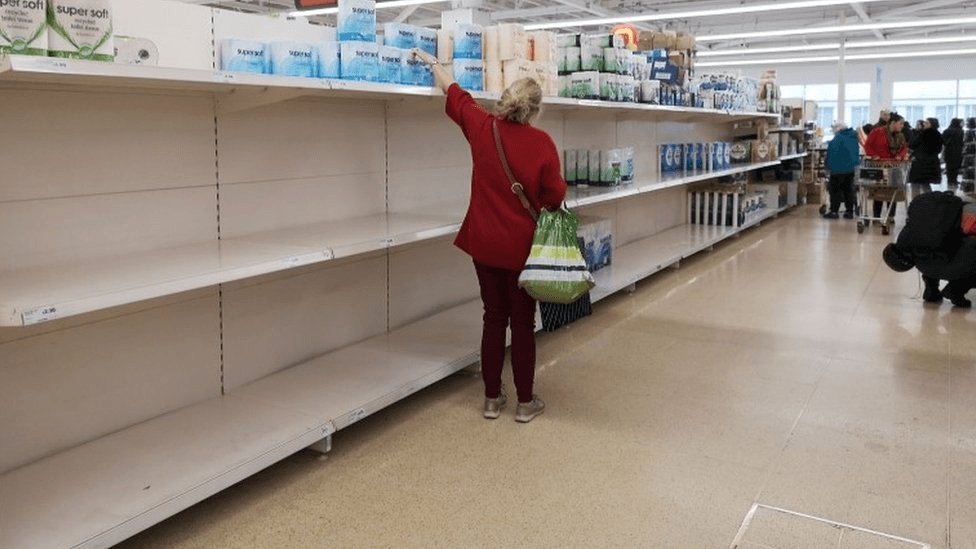
Search interest for “panic buying” and “prepare for war” usually rises together. Social media fills with photos of stripped aisles. The instinct is understandable; the outcome often hurts the people who arrive late—including NHS shift workers and carers. Stockpiling, done slowly, is the opposite behaviour: small, repeated additions that match what your household already eats.
Panic buying vs stockpiling
Panic buying is a sudden, large, unplanned purchase driven by fear of missing out—often duplicate items (twenty bags of pasta when you already have ten). Stockpiling for preparedness is deliberate: defined targets (such as three days of non-perishable food and water per person), spread over time, with rotation into normal meals.
- Panic buying: one stressful trip, overspend, waste, guilt.
- Stockpiling: several ordinary shops, predictable budget, less waste, neighbours still find stock.
Why panic buying makes crises worse
Retail supply chains are sized for normal demand. A short spike can look like a shortage even when warehouses still hold stock. When everyone buys a month of toilet paper in a day, delivery schedules lag and vulnerable shoppers lose out. Governments ask for a few days at home precisely because it reduces pressure on just-in-time systems during weather, power, or transport shocks—not because they expect years of siege.
A four-week steady plan (UK Be Ready scale)
Assume a household of two; scale portions up or down. Each week adds one layer—no hero trip required.
- Week 1 — Water: add sealed bottled water toward 3 litres drinking water per person per day for three days (plus a little for cooking).
- Week 2 — Meals: six extra tinned or dried main-meal portions you already like (see our non-perishable food for 3 days UK guide for examples).
- Week 3 — Light and news: spare batteries, torch check, FM radio or power bank charged.
- Week 4 — Admin: photocopy key documents, note medication list, add hygiene items and pet or baby lines if needed.
Red flags that you are panic buying
- You cannot list what you already have at home before leaving.
- You are buying foods your household refuses in normal life.
- You feel you must finish today because of a headline, not because of a forecast outage you face.
- Your trolley could feed the street for a month but your official target is three days.
When news spikes again
Treat trending terms—“be ready for war”, “campaign list”, “non perishable food”—as reminders to fill gaps, not orders to empty Tesco. Check gov.uk/prepare, compare against what is in your cupboard, and buy only the difference on your next routine shop. If you are already covered for three days, share calm checklists with friends instead of adding more loo roll.
Beyond food
Stockpiling for UK guidance includes cash, cards, warmth layers, first aid, and communication—not just cupboards. Use the Be Ready checklist on this site and country pages for Germany, Poland, and others if you split time abroad.